Orchard
Mount Alvernia
Persistent Blocked Nose: Is Turbinate Reduction the Answer?


You wake up with a blocked nose, expecting it to clear as the day goes on. Instead, the congestion lingers. By night, breathing feels uncomfortable, sleep is disrupted and daily activities become more difficult.
If this continues for weeks or keeps returning, it may be more than a simple cold. Persistent nasal blockage can sometimes be caused by enlarged turbinates, and in certain cases, procedures such as turbinate reduction may help provide longer-term relief.
What Causes a Persistent Blocked Nose?
Occasional nasal congestion is common and often resolves on its own. However, chronic nasal congestion that lasts for weeks or recurs frequently may be linked to underlying conditions affecting airflow.
Common causes include:
Allergies
Exposure to dust, pollen or pet dander can lead to ongoing inflammation and swelling inside the nasal passages.
Chronic sinusitis
Long-term inflammation of the sinuses can lead to persistent congestion, facial pressure and mucus buildup.
Deviated septum
A misalignment of the nasal septum can physically narrow one or both nasal passages, making breathing more difficult.
Enlarged nasal turbinates (turbinate hypertrophy)
The turbinates are structures inside the nose that help filter and humidify air. When they become enlarged, they can block airflow and contribute to ongoing congestion.
Environmental and lifestyle factors
Dry air, pollution, smoking, or frequent use of nasal decongestants can also worsen or prolong symptoms.
What Are Turbinates and How Do They Affect Breathing?
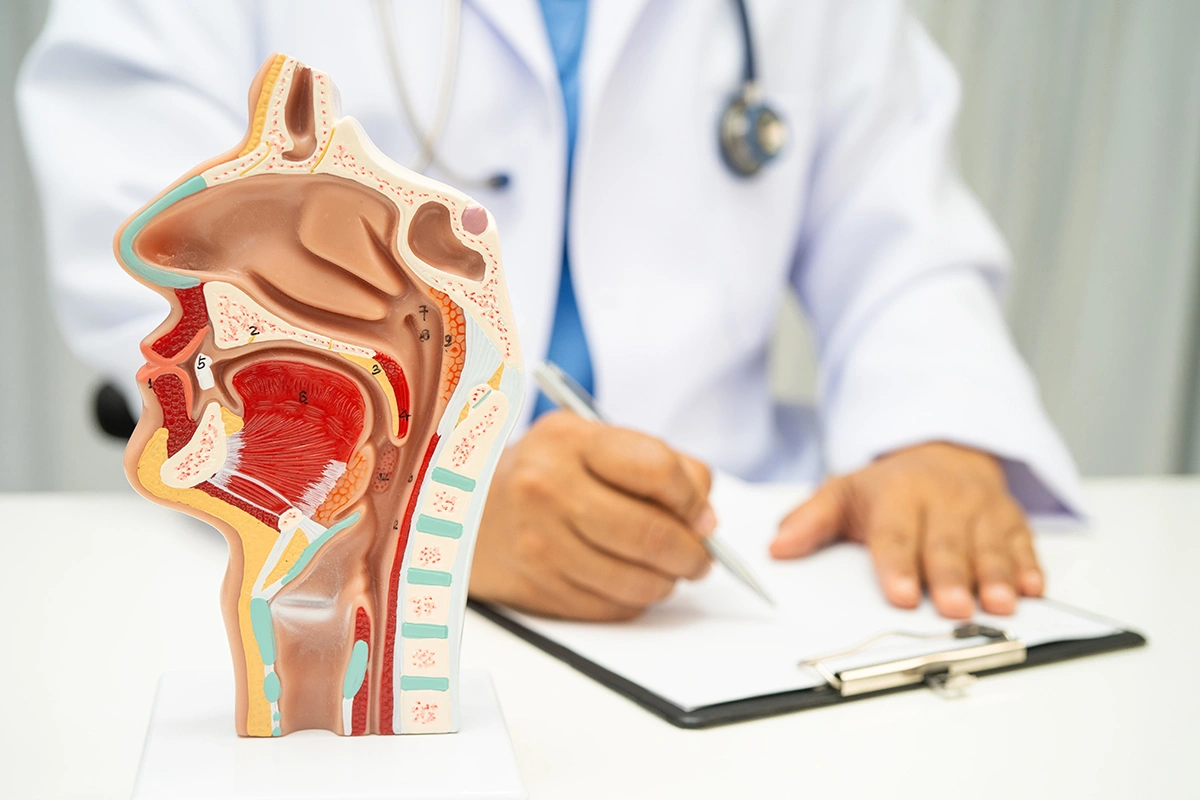
Turbinates are small, curved structures inside the nose that help regulate airflow. Each side of the nose contains three turbinates—inferior, middle and superior. They play an important role in:
- filtering airborne particles
- warming inhaled air
- maintaining moisture in the nasal passages
When these structures become enlarged, a condition known as turbinate hypertrophy, they can obstruct airflow and lead to chronic nasal blockage.
What Is Turbinate Reduction Surgery?
Turbinate reduction is a procedure that reduces the size of enlarged nasal turbinates to improve airflow and relieve chronic nasal obstruction. It is typically considered when symptoms of nasal blockage persist despite medications such as nasal sprays or allergy treatments.
The goal is to reduce excess tissue while preserving normal turbinate function, allowing you to breathe more comfortably.
There are several techniques used for turbinate reduction, including:
- Radiofrequency reduction
Uses controlled energy to shrink turbinate tissue with minimal damage - Laser or cautery techniques
Reduce tissue size by targeting excess tissue precisely - Surgical turbinate reduction
Involves removing or repositioning part of the turbinate in more severe cases
Most turbinate reduction procedures are minimally invasive and can be performed as a day procedure. Depending on the method used, they are often associated with relatively quick recovery times and lasting improvement in nasal breathing.
Turbinate Reduction: Benefits, Recovery, and What to Expect
After the procedure, many patients experience improved nasal breathing, better sleep quality, reduced nasal congestion, and less reliance on long-term medication.
Recovery is usually straightforward, especially with minimally invasive techniques. Common temporary symptoms include:
- Mild swelling or congestion
- Nasal dryness or crusting
- Minor discomfort
These effects typically improve within a few days to weeks and most patients can return to normal activities relatively quickly.
When Should You Consider Turbinate Reduction?
Not everyone with a blocked nose will require turbinate reduction. In many cases, symptoms can be managed with medication such as nasal sprays, antihistamines or treatment for underlying allergies. However, when these measures do not provide lasting relief, it may be worth exploring further options.
However, you may consider turbinate reduction if:
- nasal blockage persists despite treatment
- breathing through your nose remains difficult daily
- symptoms affect your sleep or quality of life
- enlarged turbinates are confirmed during evaluation
A proper diagnosis with an ENT specialist, often involving nasal endoscopy, is important before deciding on treatment.
Breathe Freely with Specialised Care from A/Prof Luke Tan
A persistent blocked nose can be frustrating, especially when it does not improve with medication alone. Understanding the underlying cause, including the role of enlarged turbinates, can help guide you toward more effective treatment options. If symptoms continue to affect your breathing and quality of life, seeking specialist advice can help determine whether turbinate reduction is appropriate for you.
Luke Tan Sinus Clinic is designed to provide efficient evaluation and tailored treatment in a single setting. Patients are in the trusted care of A/Prof Luke Tan, the former Head of ENT at the National University Hospital with over 20 years of experience and a special interest in treating sinus conditions. If you have been struggling with a blocked nose for a while, schedule a consultation to find out whether turbinate reduction may be a suitable option for you.
FAQs About Turbinate Reduction for Persistent Blocked Nose
How do I know if my blockage is due to turbinates or something else?
An ENT specialist will assess your symptoms and perform a physical examination, often using nasal endoscopy, to determine the exact cause of your nasal blockage.
Is turbinate reduction a permanent solution?
Turbinate reduction can provide long-lasting relief. However, symptoms may return over time, especially if underlying conditions such as allergies are not well controlled.
Will turbinate reduction change the appearance of my nose?
No, turbinate reduction is performed within the nose and does not affect the external shape or appearance.
Is turbinate reduction painful?
Most patients experience minimal discomfort. The procedure is typically performed under local or general anaesthesia, and any post-procedure symptoms are usually mild and manageable.
How long does turbinate reduction take?
The procedure is usually completed within 15 to 30 minutes when performed on its own, depending on the technique used.
Key Takeaways
Acute sinusitis can cause discomfort and significantly disrupt daily life. If ignored for long enough, this condition may progress to chronic sinusitis or other serious health problems. It is advisable to seek medical attention promptly if you have been experiencing a severe cold or notice symptoms of a sinus infection to ensure proper treatment and management of your condition.
Led by A/Prof Luke Tan, our sinus clinic in Singapore offers comprehensive care for various sinus conditions, such as acute sinusitis, nasal allergies, and more. We are dedicated to delivering tailored treatment plans to help our patients regain optimal sinus health and well-being. To schedule a consultation, please contact our clinic at 6474 6116 today.
Contact Information
Orchard
3 Mount Elizabeth,Mount Elizabeth Medical Centre, Suite 14-17, Singapore 228510
| Tel | : | +65 6474 6116 |
| Fax | : | +65 6737 0816 |
Mount Alvernia
820 Thomson Road, #07-58Mount Alvernia Hospital, Medical Centre D, Singapore 574623
| Tel | : | +65 6252 5528 |
| Fax | : | +65 6252 5526 |
| Whatsapp / SMS | : | +65 9642 3362 |
| : | appointment@luketan-ent.com.sg | |
| Emergency Tel | : | +65 6535 8833 |
Operating Hours
| Monday to Friday | : | 9:00 am to 5:00 pm |
| Saturday | : | 9:00 am to 12 Noon |
| Sunday & Public Holiday | : | Closed |
Close for lunch 1pm to 2pm
Need Further Assistance?
Fill out the enquiry form below, or call us at 64746116, if you require a detailed assessment and evidence-based relief of your sinus problems.