Orchard
Mount Alvernia
When Sinus Pressure Moves to the Eye: The Risks of Ethmoiditis
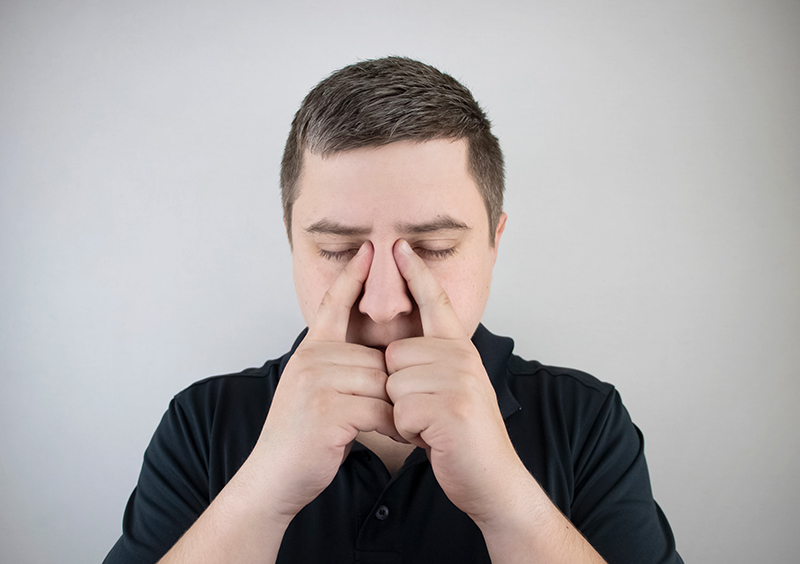

Many people associate a sinus infection with nasal congestion, facial pressure and headaches. However, pain centred at the bridge of the nose may sometimes indicate inflammation of the ethmoid sinuses, which are located between the nose and the eyes. As these sinuses lie so close to the eye sockets, the infection can occasionally spread to the surrounding tissues and increase the risk of vision-threatening complications if left untreated.
While pain over the nasal bridge is a common symptom of ethmoiditis, the development of eye symptoms such as swelling, pain during eye movement or changes in vision may indicate a more serious infection that requires urgent assessment.
Learn why pain at the bridge of the nose can sometimes be a warning sign for your vision, when symptoms may require prompt medical attention and the treatment options available. Recognising the signs of ethmoiditis early can help you receive timely treatment and reduce the risk of more serious complications.
Why Can Sinus Pressure at the Bridge of the Nose Affect Your Eyes?
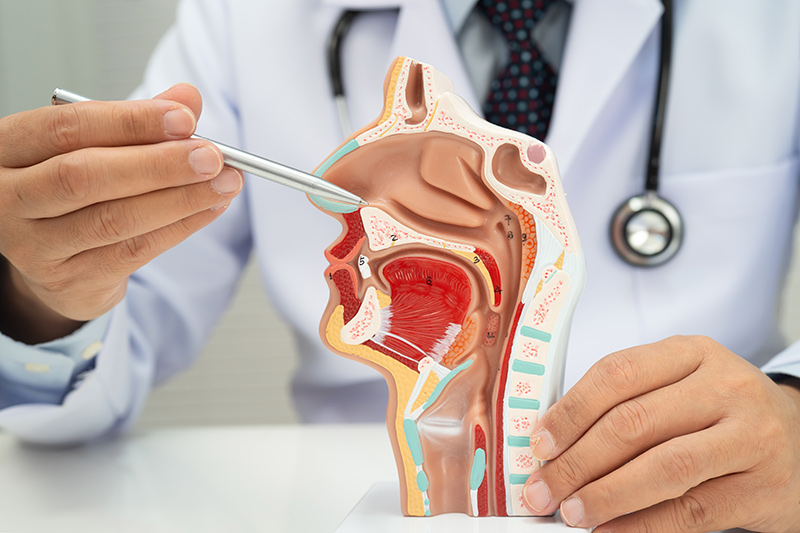
The ethmoid sinuses are small, air-filled spaces located between the nose and eyes, just behind the bridge of the nose. As these sinuses are separated from the eye sockets by only a thin layer of bone, inflammation or infection within them can sometimes affect nearby tissues more easily than infections in other sinuses.
When the ethmoid sinuses become inflamed, a condition known as ethmoiditis, it may cause pain and tenderness over the nasal bridge, around the inner corners of the eyes or between the eyes. While most cases respond well to treatment for sinus infections, recognising the unique location of the ethmoid sinuses is important because untreated inflammation may occasionally spread beyond the sinuses and increase the risk of eye-related complications.
When Is Sinus Pressure a Warning Sign for Your Vision?
Most cases of ethmoiditis cause symptoms similar to other forms of sinus infection.
Common symptoms include:
- Pain or tenderness at the bridge of the nose
- Facial pressure between the eyes
- Nasal congestion
- Runny or blocked nose
- Headache
- Reduced sense of smell
As the ethmoid sinuses lie close to the eyes, worsening symptoms may indicate that the infection is spreading to nearby tissues.
Warning signs include:
- Swelling or redness around the eyelids
- Pain when moving the eyes
- Double vision
- Reduced vision
- Difficulty moving the eye normally
- Protrusion of the eye (proptosis), if present
- Fever with worsening eye symptoms
You should seek medical assessment if you experience any of these warning signs, especially if symptoms worsen or do not improve. Early evaluation by an ENT specialist or emergency department can help reduce the risk of serious or vision-threatening complications.
How Is Ethmoiditis Diagnosed and Treated?
Ethmoiditis is typically diagnosed through the following steps:
Clinical Assessment
An ENT specialist will review your symptoms and examine your nasal passages for signs of sinus disease.
Nasal Endoscopy
A thin endoscope is used to inspect the nasal passages for swelling, pus or other signs of infection that may not be visible during a routine examination.
CT Scan
A CT scan may be recommended to assess the extent of inflammation and identify complications if symptoms are severe, persistent or accompanied by eye symptoms.
Treatment typically involves appropriate sinus infection treatment, which may include:
- Antibiotics if a bacterial infection is suspected
- Medicated nasal sprays
- Saline nasal irrigation
- Pain relief to help manage discomfort while the sinuses recover
If medical treatment is ineffective, symptoms recur frequently or complications develop, sinus infection surgery may be considered to improve sinus drainage and clear blocked sinus pathways.
Protecting Your Vision with Early ENT Care by A/Prof Luke Tan
Pain over the nasal bridge is often caused by a sinus infection but when it occurs together with eye pain, swelling or changes in vision, it should not be ignored. Although most sinus infections improve with appropriate treatment, infections involving the ethmoid sinuses require closer attention because of the potential for eye-related complications. Early assessment also helps confirm the cause of your symptoms so the most appropriate treatment can begin without unnecessary delay.
At Luke Tan Sinus Clinic, we are committed to providing thorough care for patients with sinus conditions. Our consultant ENT, head & neck surgeon, A/Prof Luke Tan, guides patients through every stage of their treatment, whether managing a straightforward sinus infection or considering sinus infection surgery. If your sinus symptoms persist or worsen, especially if accompanied by eye discomfort or changes in vision, book an appointment for a comprehensive ENT assessment to help determine the underlying cause and recommend appropriate treatment.
FAQs About Ethmoiditis and Eye-Related Sinus Symptoms
Can allergies increase my risk of developing ethmoiditis?
Yes, allergies can increase your risk. Allergic reactions cause inflammation and swelling in the nasal passages which can block normal sinus drainage. When mucus becomes trapped in the ethmoid sinuses, it creates conditions that allow bacteria to multiply or viral infections to persist.
Why does pain from ethmoiditis sometimes feel worse when I bend forward?
Bending forward increases pressure within the sinuses. When the ethmoid sinuses are inflamed or filled with fluid, this added pressure can intensify discomfort, especially around the eyes and the bridge of the nose.
Can ethmoiditis affect only one eye or both eyes?
Ethmoiditis can affect one or both sides, depending on which sinuses are involved. In some cases, symptoms such as swelling, redness or pain may be more noticeable around one eye, but both sides can be affected if the infection spreads or involves multiple sinus cavities.
How long does it usually take to recover from ethmoiditis with treatment?
Recovery time varies depending on the cause and severity. Acute ethmoiditis often begins to improve within 7–10 days with appropriate treatment, although complete recovery may take longer depending on the severity of the infection. Chronic cases may take several weeks or require ongoing management.
Can ethmoiditis come back after treatment or sinus infection surgery?
Yes, ethmoiditis can recur, especially if underlying issues such as allergies, nasal polyps or structural problems are not addressed. Even after surgery, maintaining good sinus health and managing contributing factors is important to reduce the risk of future infections.
Key Takeaways
Pain at the bridge of the nose may signal a sinus infection but if it occurs with eye pain, swelling or vision changes, it could indicate ethmoiditis and requires prompt attention. Delayed treatment may allow the infection to spread and lead to serious complications.
Led by A/Prof Luke Tan, our Singapore sinus clinic provides assessment and treatment for a wide range of sinus conditions, from uncomplicated infections to more complex cases requiring specialist care. To schedule a consultation, please contact our clinic at 6474 6116 today.
Contact Information
Orchard
3 Mount Elizabeth,Mount Elizabeth Medical Centre, Suite 14-17, Singapore 228510
| Tel | : | +65 6474 6116 |
| Fax | : | +65 6737 0816 |
Mount Alvernia
820 Thomson Road, #07-58Mount Alvernia Hospital, Medical Centre D, Singapore 574623
| Tel | : | +65 6252 5528 |
| Fax | : | +65 6252 5526 |
| Whatsapp / SMS | : | +65 9642 3362 |
| : | appointment@luketan-ent.com.sg | |
| Emergency Tel | : | +65 6535 8833 |
Operating Hours
| Monday to Friday | : | 9:00 am to 5:00 pm |
| Saturday | : | 9:00 am to 12 Noon |
| Sunday & Public Holiday | : | Closed |
Close for lunch 1pm to 2pm
Need Further Assistance?
Fill out the enquiry form below, or call us at 64746116, if you require a detailed assessment and evidence-based relief of your sinus problems.